
Creating a comfortable and stylish outdoor living space is one of the most rewarding ways to enhance your home. In Britain’s temperate climate, pergolas and verandas are two of the most popular structures for extending living areas into the garden. Both offer shelter and shade while allowing you to enjoy the fresh air, but they serve slightly different purposes and come in a variety of styles. This guide will help you understand the key considerations, materials and benefits so you can choose the perfect pergola or veranda for your UK home.
Pergolas vs. verandas
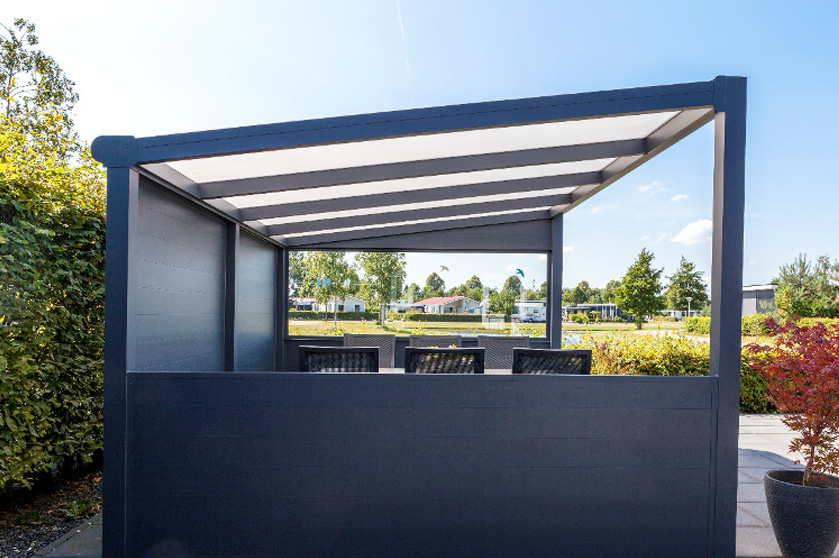
A pergola is typically a freestanding or attached structure with columns supporting a slatted or louvred roof. The open roof design provides dappled shade, making it ideal for outdoor dining, lounging and entertaining. Modern pergolas often incorporate automated louvres, LED lighting and side panels to create a versatile environment.
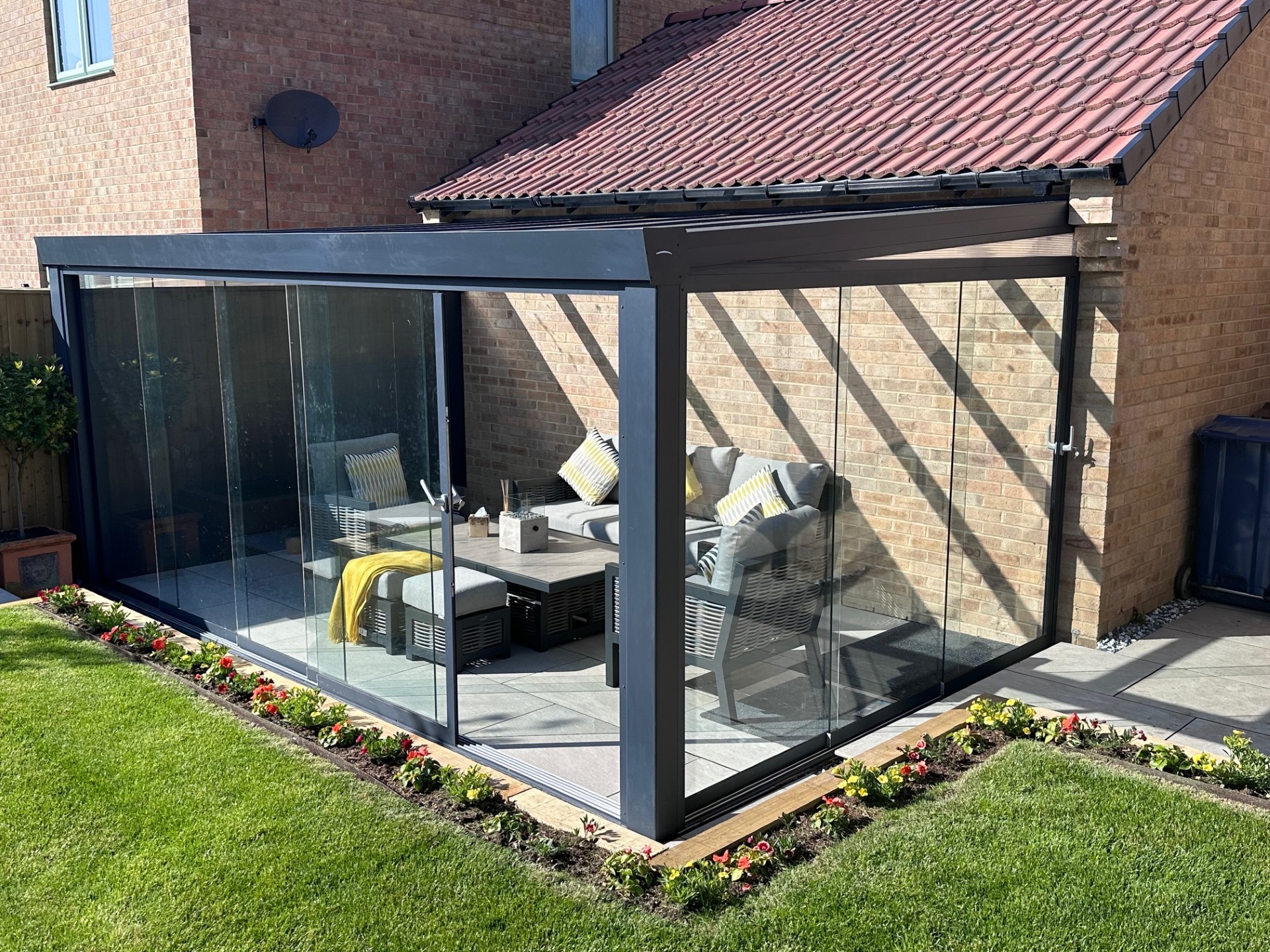
A veranda is a covered platform attached to the house, usually with a solid roof made from glass, polycarbonate or tiles. Verandas create a seamless transition between indoors and outdoors, offering a sheltered space that can be used throughout the year. They are especially popular for al‑fresco dining and can add significant value to a property.
Both structures can be designed to suit a range of architectural styles. The main difference lies in the roof type and how the space integrates with the house.
Material choices
Aluminium: Aluminium is lightweight, durable and low maintenance, making it a popular choice for both pergolas and verandas. Powder‑coated finishes prevent corrosion and are available in a variety of colours. Aluminium structures can easily accommodate modern features such as automated louvres and integrated drainage systems.
Timber: Timber provides a warm, natural look that blends beautifully with gardens. Hardwoods like oak, cedar and iroko offer exceptional durability, while softwoods such as redwood are more affordable but require regular treatment. Timber pergolas are perfect for traditional or rustic settings but need periodic maintenance to prevent rot and insect damage.
Steel: Steel offers superior strength and is often used for large spans or commercial installations. Galvanised or powder‑coated steel resists corrosion and delivers a sleek, contemporary appearance. Its strength allows for slim profile posts and beams, creating a light and open feel.
Glass: Glass roofs are commonly used on verandas to maximise light penetration. Laminated safety glass provides exceptional strength and protection from the elements. Clear or tinted glass can dramatically change the ambience of the space and is often combined with aluminium or steel frames.
Polycarbonate: Polycarbonate panels offer an economical alternative to glass while still allowing light through. Modern polycarbonate is UV stabilised, lightweight and available in clear, opal or bronze finishes. It’s particularly useful for verandas where weight needs to be minimised.
The choice of material should reflect your aesthetic preferences, budget and the level of maintenance you’re willing to undertake.
Style and roof options
Louvered pergolas: Automated louvered roofs allow you to control sunlight and ventilation at the touch of a button. When closed, the louvres form a watertight roof; when open, they let in light and allow heat to escape. This makes louvered pergolas highly adaptable to British weather.
Retractable roof pergolas: Featuring a fabric roof that can be extended or retracted, these pergolas offer flexibility and a softer aesthetic. They’re ideal for creating shade during the day and revealing the night sky in the evening.
Glass‑roof verandas: A glass roof creates a bright, airy veranda that feels like an extension of the interior. Laminated safety glass ensures durability and allows uninterrupted views of the sky and garden.
Polycarbonate verandas: Polycarbonate roofs are lighter and usually more cost‑effective than glass. They’re available in different tints and can be structured to mimic the appearance of traditional conservatory roofs.
Freestanding garden lounges: Not strictly a veranda or pergola, these structures resemble outdoor rooms with solid roofs and sometimes walls. They provide a flexible space for dining, lounging or even a hot tub.
When selecting a style, think about how the structure will integrate with your house. A modern home might suit a sleek aluminium louvered pergola, while a period property could benefit from a timber veranda with glass roofing.
Key considerations
Purpose – Consider how you will use the space. For an outdoor dining area, choose a structure that accommodates a table and chairs comfortably. If you plan to host gatherings, ensure there is adequate shade and shelter. For a home office or gym, an enclosed garden room might be more appropriate.
Orientation and climate – The direction your garden faces affects how much sun or shade it receives. Louvred roofs are ideal for south‑facing spaces because they allow you to control light levels. For north‑facing or exposed gardens, consider solid roofs with integrated heating and lighting.
Planning rules – Most pergolas and verandas fall under permitted development, but height, projection and boundary restrictions apply. Check your local council’s guidelines and consult professionals to ensure compliance.
Integration with existing structures – Decide whether the pergola or veranda will be attached to your house or free‑standing. An attached structure may require modifications to the existing wall, whereas a freestanding pergola can be positioned anywhere in the garden.
Budget and maintenance – Factor in the long‑term costs of maintenance. Aluminium and steel are durable and require little upkeep, while timber needs regular staining or sealing. Automated louvres and lighting add convenience but increase the initial investment.
Benefits of pergolas and verandas
Installing a pergola or veranda provides a host of benefits:
- Increases the usable living space without requiring a full extension.
- Enhances the aesthetic appeal of your property and adds value.
- Provides shelter from rain and shade on hot days, making outdoor living more comfortable.
- Creates a focal point for socialising and relaxation.
- Offers opportunities for personalisation with sliding glass walls, heaters, lighting, retractable screens and planters.
- Encourages a healthier lifestyle by encouraging you to spend more time outside.
A well‑designed structure can transform your lifestyle and improve the overall enjoyment of your home.
Accessories and enhancements
Today’s pergolas and verandas can be outfitted with an impressive range of enhancements:
Sliding glass walls: Perfect for keeping out wind and rain while maintaining panoramic views. They also provide security and reduce heat loss on chilly days.
Infrared heaters: Mounted discreetly, infrared heaters extend the use of your outdoor space into cooler evenings and shoulder seasons.
LED lighting: Integrate ambient or task lighting to create a warm atmosphere and ensure the area is functional after dark.
Automated controls: Remote or app‑controlled roof panels and lighting make it easy to adjust the environment to suit changing conditions.
Unite wall systems: Solid aluminium panels offer privacy and protection from the elements while adding a contemporary design element.
Adding these features can significantly enhance the versatility and comfort of your pergola or veranda.
Professional design and installation
While DIY kits exist, a professionally designed and installed pergola or veranda ensures structural integrity, compliance with regulations and optimum performance. A knowledgeable supplier will survey your site, discuss your requirements and tailor the design to suit your property and budget. They will also handle planning permission queries and advise on the best materials.
Pergola Solutions has nearly two decades of experience designing and installing bespoke outdoor structures across the UK. Their team offers free on‑site surveys, provides fixed quotations and oversees every stage of the project. Whether you choose a louvered pergola or a glass roof veranda, you’ll receive expert guidance and craftsmanship.
Conclusion
Choosing the right pergola or veranda involves assessing your lifestyle, home architecture, budget and desired features. By understanding the different materials, styles and benefits available, you can select a structure that not only enhances your garden but also adds long‑term value to your property. For personalised advice and high‑quality installation, contact Pergola Solutions – they specialise in creating outdoor living spaces you’ll love all year round.